
I have a confession to make.
There’s a folder on my desktop called “Coloring Book Projects”. It contains 14 partially written prompt lists, 27 screenshots of other people’s coloring books for “research,” and exactly zero finished products.
This folder has been there for two years.
Every few months, I get inspired again. I see someone on Twitter sharing their KDP royalties. I read a blog post about a seller doing well with simple kids’ coloring books. I think, “I could do that. How hard could it really be?”
Then I sit down to start, and reality hits.
I need 40 to 60 unique illustrations for a single book. They need to feel cohesive – like they were drawn by the same hand. They need to match the “bold and easy” style that actually sells for toddlers and preschoolers. And I need to come up with all of this from nothing.
My creative process usually goes like this: I open Midjourney. I type “cute bear coloring page for kids.” The result is okay. I type “cute rabbit coloring page for kids.” Also okay. By the time I’ve done this ten times, I’m already running out of animals I can name without Googling. By fifteen, I’m staring at the screen wondering if kids really need a coloring page of a chinchilla.
Then I close the tab and don’t come back for another three months.
I’ve tried brainstorming with notebooks. I’ve tried scrolling Pinterest for hours. I’ve tried asking ChatGPT for ideas. Nothing solved the core problem: I needed a structured, reliable way to generate large volumes of cohesive concepts without burning out my creative energy before I even started.
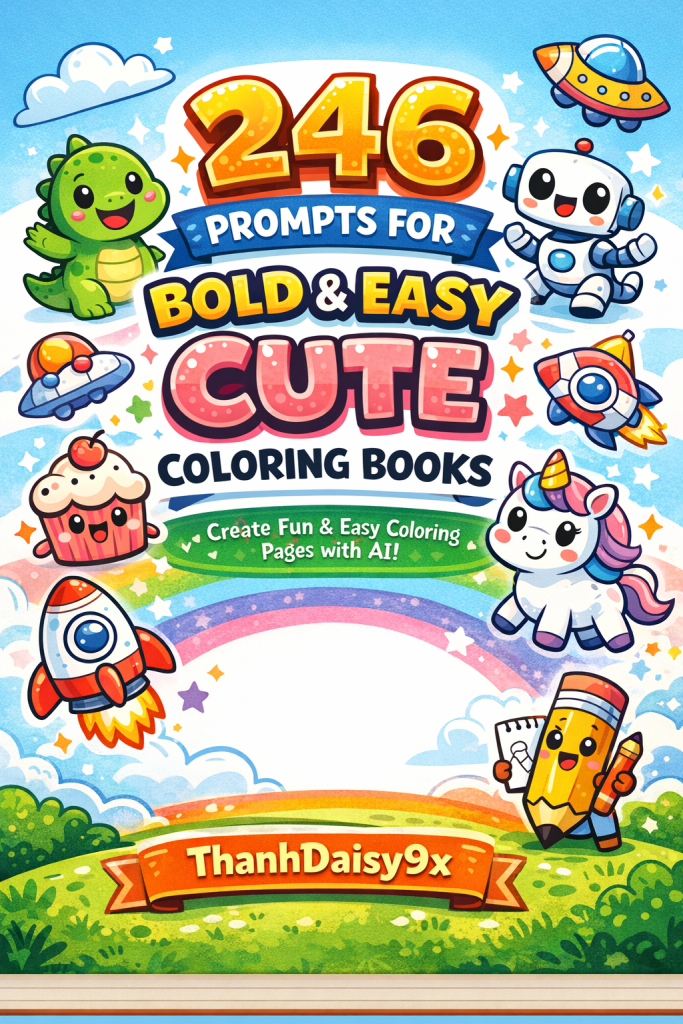
When I came across “246 Prompts for Bold & Easy Cute Coloring Books” my first reaction was skepticism. Another prompt pack? Probably just a list of random nouns with “coloring page” tacked on. I’ve bought those before. They’re useless within twenty minutes.
But the price was low enough – $9.99 – that I figured even if I got five usable ideas, the experiment would be worth it. Worst case, I write a critical review and save someone else the money. Best case, it actually helps.
I didn’t expect to finish three complete book outlines in one weekend.
What This Product Actually Is
Let’s be clear about what you’re getting, because the name tells you exactly what it is and nothing more.
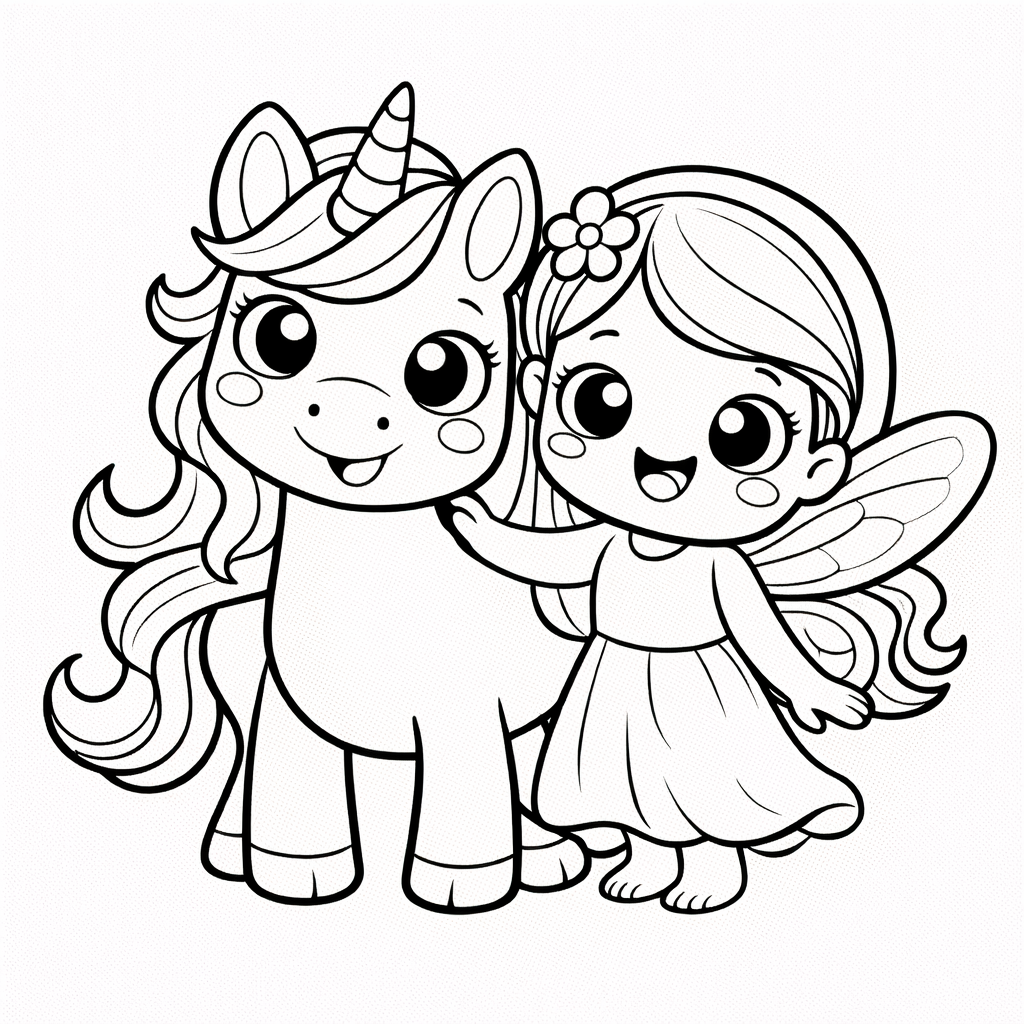
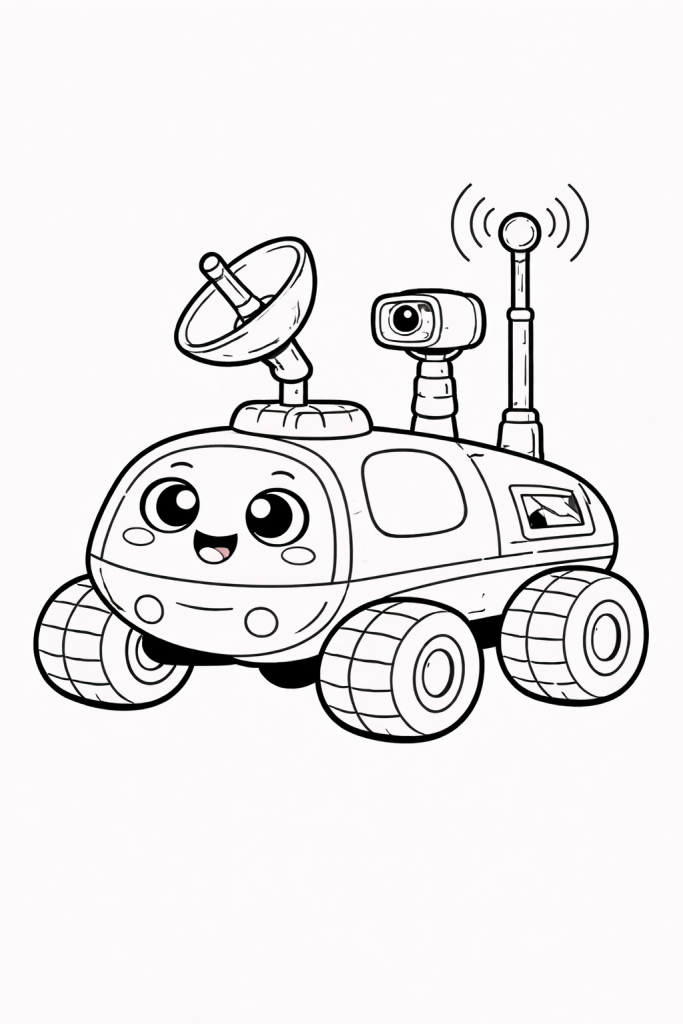
“246 Prompts for Bold & Easy Cute Coloring Books” is a PDF containing 246 text prompts designed to work with AI image generators like ChatGPT, Gemini, Midjourney, DALL·E, Leonardo, or Stable Diffusion. Each prompt is specifically crafted to produce the “bold and easy” style – thick outlines, minimal detail, clean white backgrounds, friendly expressions – that works for young children.
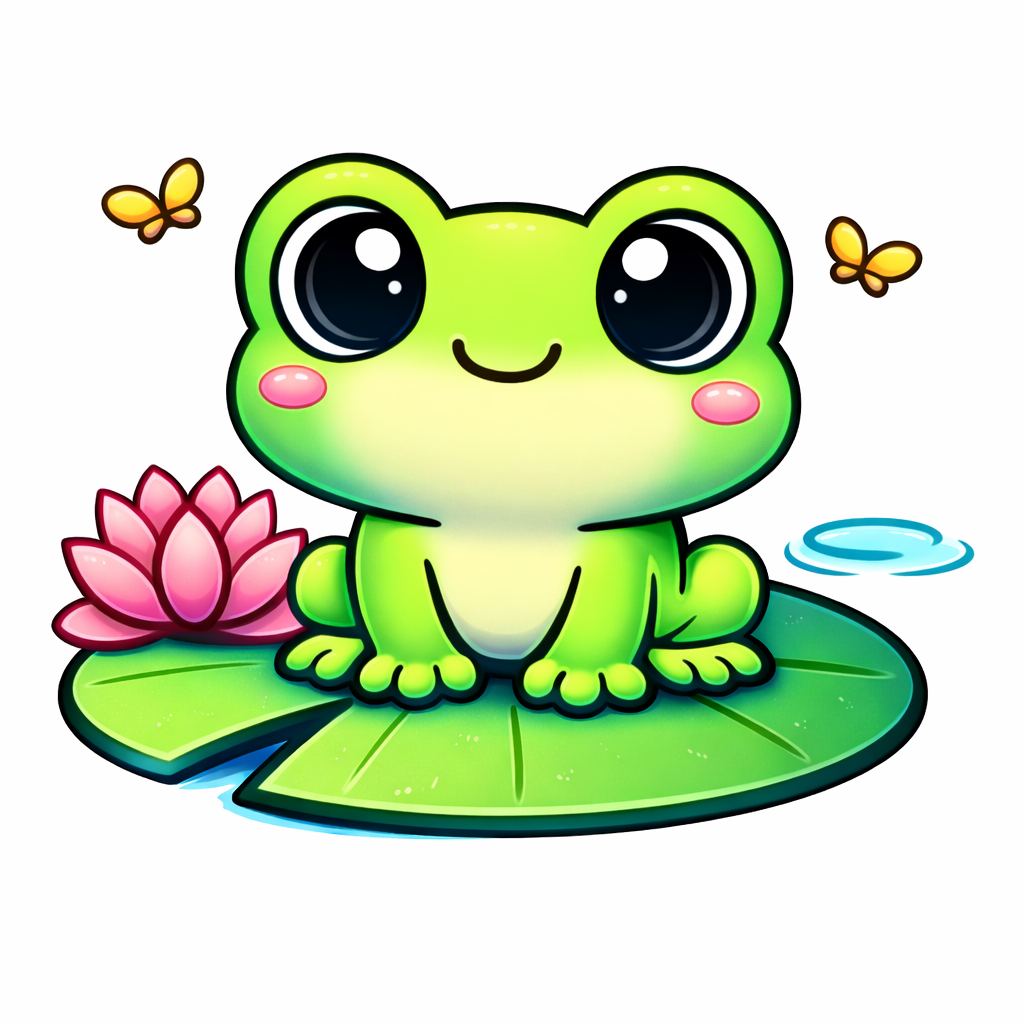
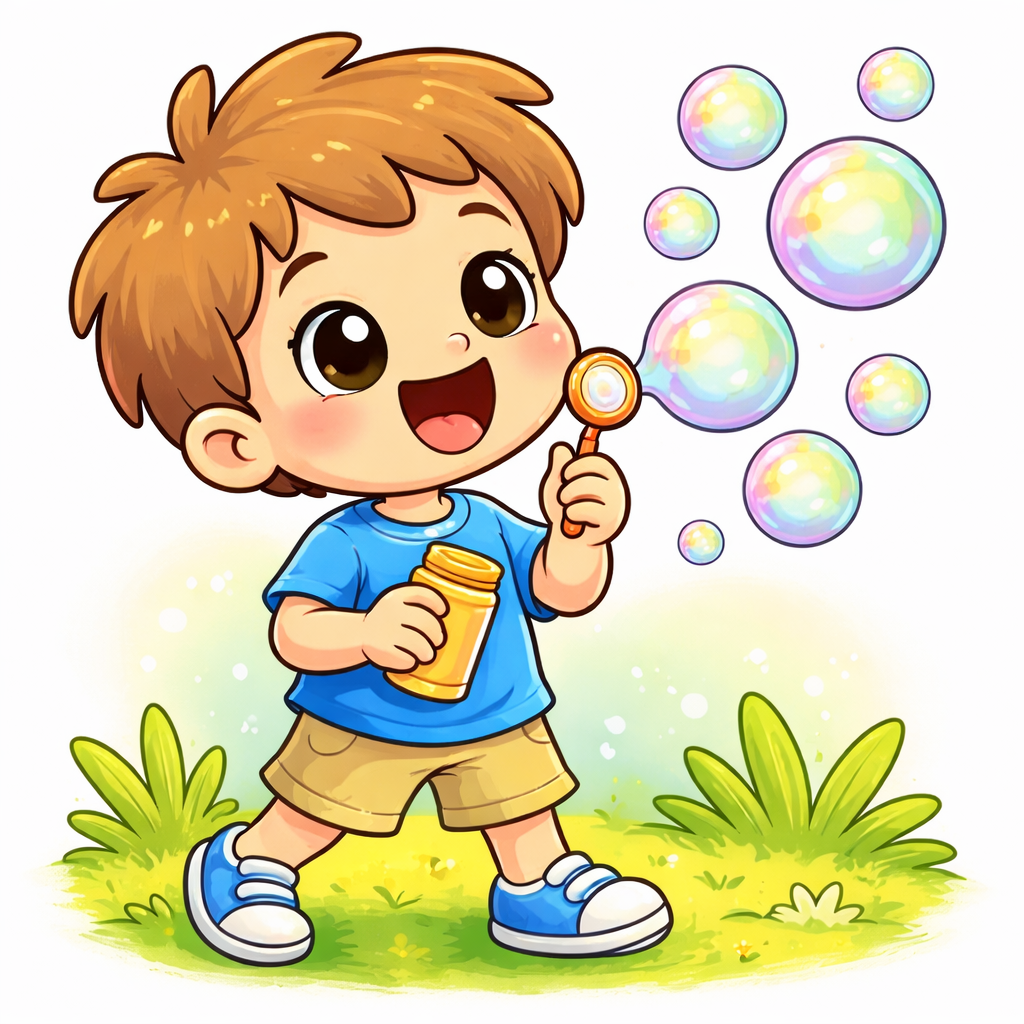
The prompts are organized into twelve themes:
- Cute Baby Animals
- Friendly Dinosaurs
- Cute Food Characters
- Fun Vehicles
- Magical Fantasy Friends
- Space Adventure
- Happy Nature
- Toys & Playtime
- Party & Celebration
- Cute Monsters
- Fun Outdoor Adventures
- Cute Robots & Future Friends


Each theme contains roughly 20 prompts. That means if you pick “Cute Food Characters”, you have 20 distinct ideas for smiling cupcakes, happy fruits, playful snacks, and more – enough to fill an entire book without repeating yourself.
There’s also a “Prompt Master Template” at the end that shows you how to combine characters, actions, and objects to create unlimited variations. I haven’t needed it yet because 246 prompts is already more than enough for multiple books, but it’s nice to know the framework exists if I ever want to expand.
What this product is not:
- It’s not software that generates images for you
- It’s not a course on how to publish on KDP or market on Etsy
- It’s not a guarantee of sales or income
- It’s not a list of generic nouns you could have typed yourself
It’s a structured collection of ideas that removes the hardest part of the creative process: the staring-at-a-blank-page phase.
The Weekend Test: What Actually Happened
I blocked out a Saturday to test this properly. No distractions. Just me, my laptop, and a fresh Leonardo account (my current favorite for line art because it handles simplicity well).


Hour One: The Skepticism Phase
I opened the PDF and scrolled through the themes. My first thought was: okay, these categories make sense. Baby animals, dinosaurs, food characters – these are all proven sellers in the kids’ coloring book space. That’s a good sign. The product isn’t trying to be clever with obscure themes that nobody searches for.
I picked “Cute Food Characters” and copied the first prompt into Leonardo. Something about a smiling cupcake with sprinkles. Hit generate. Ten seconds later, I had an image that looked exactly like what I’d want in a toddler coloring book. Bold outlines. Simple shapes. Actually cute, not creepy-cute (which is a real risk with AI-generated kids’ content).
I’ll be honest. I was surprised. I expected to have to tweak things. Add style modifiers. Adjust parameters. But the prompts already had all that built in. Things like “bold outlines, minimal detail, clean white background, simple shapes” were already part of the text. I didn’t have to remember to add them.
Hour Two: The Momentum Shift
I went through about thirty prompts across different themes. Not all of them were perfect on the first try. Some generated images where the outlines weren’t quite bold enough. A few had slightly too much detail for a toddler coloring book.
But here’s the key: because the prompts were consistently structured, I could see exactly what needed to change. Add “ultra bold outlines” to the end. Regenerate. Fixed.
That consistency matters more than you might think. When prompts are built on a framework, you learn the variables. You become a better prompter yourself just by using them.
By the end of hour two, I had about fifty images I was genuinely happy with. I started organizing them into folders by theme. Space Adventure in one. Magical Fantasy Friends in another. Cute Monsters in a third.
The Unexpected Surprise
What surprised me most wasn’t the time savings, though those were real. It was the complete absence of the usual mental friction.
Normally, by this point in a project, I’d be second-guessing. Are these ideas good enough? Will this theme sell? Should I pivot to something else?
That noise was just gone. The decisions were already made. My only job was to generate, review, and save. It felt less like work and more like play.
There’s something genuinely enjoyable about watching these little characters come to life. A smiling avocado with a pit heart. A sleepy cloud with rosy cheeks. A rocket ship with a friendly face. When a tool makes you want to keep creating, you actually finish things.
Day Two: The Consistency Test
The next day, I tested whether the prompts could maintain quality across multiple generations. I picked “Friendly Dinosaurs” and generated all twenty prompts in that theme.
The results were consistently good. More importantly, they were consistently stylistically similar. That’s crucial for a coloring book. If every page looks like it was drawn by a different artist, the book feels amateurish. These prompts produced images that looked like they belonged together.
I also tested the prompts across different AI tools. Leonardo worked best for my needs. Midjourney produced more artistic results, which isn’t always what you want for simple kids’ coloring pages. DALL·E was somewhere in the middle. The prompts worked with all of them, but the outputs varied – which is expected with any prompt collection.
What Works, What Doesn’t, and What’s Honest
Let me break this down straight.
What Works Well
The prompts are actually optimized. This isn’t a list of random nouns. Each prompt includes specific stylistic instructions that matter for the final output – bold outlines, minimal detail, clean backgrounds. That saves you from having to remember to add those qualifiers every time.
The thematic organization is practical. When you’re building an actual coloring book, you need to know you can sustain a theme for 40+ pages. These prompts give you that confidence upfront. Each theme has enough variety to fill a complete book.
The variety is legitimate. 246 prompts across 12 themes means you’re not scraping for ideas halfway through. I counted roughly 20 prompts per theme, which is enough for multiple books in the same category if you mix and match.
The price is fair. $9.99 for what amounts to days of brainstorming and testing compressed into a downloadable file. Even if you only use it for one book, the time saved justifies the cost.
The “Prompt Master Template” adds long-term value. Once you’ve used the existing prompts, the template shows you how to create your own variations. That turns a one-time purchase into an ongoing resource.
What Doesn’t Work As Well
You still need to know your AI tool. If you’ve never used ChatGPT, Gemini, Midjourney, DALL·E, or Leonardo, you’ll have a learning curve regardless of how good the prompts are. This solves the “what to generate” problem, not the “how to use the generator” problem.
Results vary by platform. Some prompts worked beautifully in Leonardo but needed adjustment in DALL·E. That’s not unusual, but it’s worth knowing going in. The prompts are tool-agnostic, but each tool has its own quirks.
No visual examples are included. The product is text-only. If you’re a visual learner who wants to see what “good” looks like before you start generating, you’ll need to do that experimentation yourself. A few sample images would have been helpful for calibration.
Some prompts occasionally run too simple. Like, almost boringly simple. A single circle with a face. That’s fixable by adding a simple prop or background element manually, but it’s something to watch for.
Commercial usage depends on your tool. You can use the generated images commercially in most cases, but you need to check the terms of whatever AI generator you’re using. Midjourney’s paid plans allow commercial use. DALL·E’s terms have specific conditions. That’s not on the product, but it’s worth knowing.
The Value Question: $9.99 for a PDF?
Let’s talk about money, because I know what goes through your head when you see a digital product priced at ten dollars.
Is it worth it? Or is it just another cheap info product someone threw together in an afternoon?
Here’s how I think about value in this context.
Time saved: If I were brainstorming 40+ unique coloring page concepts on my own, I’d spend at least two to three hours just getting the ideas down. That’s before I start generating anything. This eliminated that entirely. I opened the file and started generating immediately. At even a modest hourly rate, that time savings is worth more than $9.99.
Mental load reduced: For me, this is the bigger value. Creative energy is finite. If I spend it on brainstorming and feeling stuck, I have less left for execution. This removed the stuck part completely. I moved straight to execution. The difference between “deciding what to make” and “actually making” is enormous.
Learning curve flattened: The prompts taught me what works for the “bold and easy” style. By using them, I internalized the structure. Now when I write my own prompts, they’re better because I’ve seen 246 examples of what good looks like.
Consistency across projects: Because the prompts follow a framework, the images I generate have a cohesive style. That matters when you’re building a brand or a series of books. Customers notice when products feel like they belong together.
What you’re not getting: This won’t teach you how to format a book for KDP. It won’t optimize your Etsy listings. It won’t market your products for you. It’s one tool in the toolbox—a time-saving, friction-removing tool – but it won’t replace the need to learn the rest of the business.
Who This Is For (And Who Should Skip It)
Perfect For:
KDP publishers who want to produce multiple books without reinventing the wheel every time. The time savings compound with every project.
Etsy sellers creating printable coloring pages or digital bundles. The variety here would let you list dozens of individual pages or build themed bundles.
AI tool users who struggle with consistent style and quality. These prompts give you a reliable framework.
Complete beginners who have no idea where to start with coloring book ideas. “246 Prompts for Bold & Easy Cute Coloring Books” removes the “blank page paralysis” entirely.
Parents or teachers who just want to generate custom coloring pages for kids and don’t care about commercial use. This makes it effortless.
Probably Skip If:
You want a fully automated solution. This still requires you to generate, review, and select images. It’s a tool, not a robot.
You genuinely enjoy the brainstorming process. If idea generation is your favorite part of creation, you might find this boring.
You don’t have access to AI image generators. The prompts are useless without the generation tool.
You only need one coloring book and are happy brainstorming your own ideas. You can absolutely do this yourself. It just takes longer.
The Bottom Line: Should You Buy It?
Here’s where I land after a weekend of real use.
“246 Prompts for Bold & Easy Cute Coloring Books” does exactly what it promises. It gives you 246 ready-to-use prompts optimized for the specific style that works in the kids’ coloring book market. The prompts are thoughtfully organized, genuinely varied, and structured to work across multiple AI tools.
It won’t make you a successful publisher overnight. It won’t guarantee sales or replace the need to understand formatting, covers, keywords, or marketing. But it will remove the friction that stops most people from finishing their first (or tenth) book.
For me, the value came down to one thing: I finished projects. Three of them, in one weekend. Not because the prompts magically did the work for me, but because they eliminated the part of the process that usually makes me stall out.
If you’re already creating coloring books or planning to start, this will save you hours of staring at blank pages. If you’re on the fence, ask yourself whether your time and creative energy are worth more than ten dollars. For most of us, they are.
Final Thoughts
The coloring book space on KDP and Etsy isn’t going away. Parents always need new material. Teachers always want fresh printables. The market rewards consistency and volume – not because customers buy everything, but because the more you publish, the more you learn what works.
Tools like this don’t replace skill or effort. They remove barriers. They let you focus your energy on the parts of creation that actually matter: refining your style, understanding your audience, building your catalog.
If you’ve been sitting on the idea of creating coloring books but haven’t pulled the trigger because the idea generation feels overwhelming, this is worth a look. Sometimes the smallest purchase removes the biggest obstacle.
I’m ThanhDaisy9x, and I’ll be back with more honest tests of tools that promise to make creative work easier. Some will be worth your time. Some won’t. I’ll tell you which either way.
You might also like our roundup of the Best Image/Video AI Tools here!