
For years, my website, AIPipPip, has been a chronicle of my experiments at the intersection of AI and practical creation. I’ve tested hundreds of tools promising to streamline workflows, from AI writers to no-code builders. Yet, a fundamental bottleneck persisted: the sheer creative and structural lift required to build a complete, market-ready digital product from scratch. Ideas were plentiful; finished, polished assets were not.
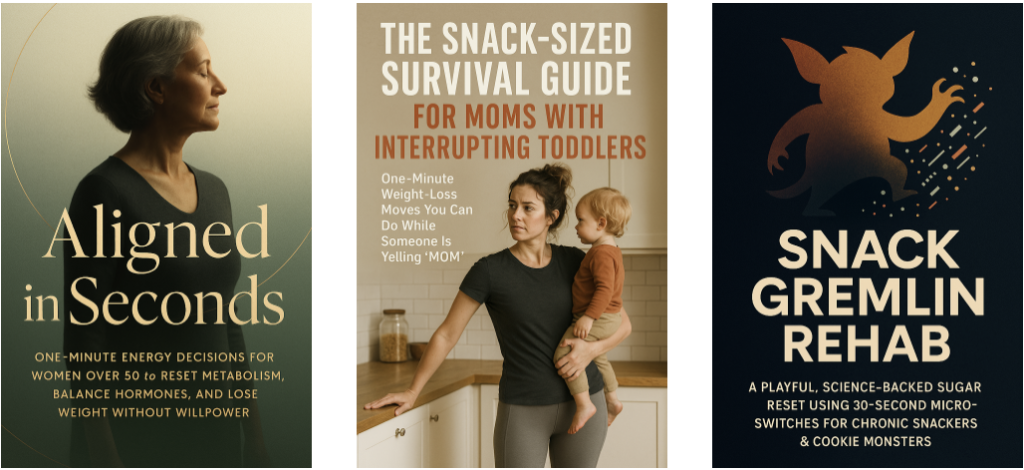
That’s the exact problem “327 Prompts for Tiny Action Books” claims to solve. It doesn’t promise generic AI text. It promises a system – a method to generate not just chapters, but entire product blueprints built on proven psychological principles. As a creator who values systems over hype, I put it through a rigorous, production-oriented test. Could it actually function as the core of a scalable content factory? Here’s my grounded, experience-based breakdown.
The Core Value: It’s a Product Architect, Not a Paraphrasing Tool
Let’s be clear upfront. This is not another collection of simple ChatGPT starters. The “Super Prompts” in this pack are sophisticated blocks of instruction designed to make the AI perform a specific, multi-stage job. When you paste one into a new chat, it initiates a product development sequence.

In my first test, targeting the “Micro-Workouts for Office Workers” niche, here’s what the prompt generated in under 60 seconds:
- A Complete Commercial Hook: A title (“The Deskbound Dynamo”) and a subtitle speaking directly to the pain of sedentary fatigue.
- A Ready-to-Use Sales Description: A back-cover blurb that validates the reader’s struggle (no time, no energy) and positions the book as a no-willpower solution.
- Strategic SEO & Discovery Data: 7 targeted keywords like “covert office exercises” and “secret energy boosts at work.”
- A Proprietary “Action Framework”: This is the cornerstone. The AI invented a unique methodology called “The Stealth Energy Protocol.” This transforms the book from generic advice into what feels like a branded, systematic solution.
- A Professional Design Brief: A detailed prompt for a vertical book cover, specifying studio lighting, modern typography, and a “professional yet approachable” mood – ready for Midjourney or DALL-E.
- A Structured Production Plan: 10 chapter prompts, each designed to apply the “Stealth Energy Protocol” to a specific office scenario (e.g., “After a Long Call,” “During the 3 PM Slump”).
The immediate value is breathtaking. For less than the cost of a single business lunch, you’re getting an automated product strategy session. It answers the critical pre-writing questions: What’s my unique angle? What’s my structure? What does my branding look like?
Real-World Application: Strengths, Considerations, and Honest Workflow
I used Claude and Midjourney to execute the blueprint. Here’s my balanced assessment from a creator’s perspective.
What Makes It a Powerful System (The Pros):
- Eliminates Conceptual Friction: The jump from “niche” to “structured product” is instantaneous. This removes the biggest psychological barrier to starting new projects.
- Embeds Market-Smart Psychology: The prompts force the AI to use “micro-actions,” “immediate wins,” and empathetic validation. This isn’t fluffy self-help; it’s the practical, habit-science-backed content modern readers crave and actually finish.
- Unifies Visual and Textual Branding: The automatic generation of matching cover and infographic prompts is a massive efficiency win. It ensures your final product has a cohesive, high-value aesthetic without needing design skills.
- Enables Niche Stacking: With 41 specific categories, you can systematically dominate a small vertical (e.g., “Sleep” + “Anxiety” + “Morning Routines”) by producing a coordinated series of books, building a compound authority effect.
Where Your Input is Still Crucial (The Cons / Realities):
- You Are the Project Manager & Editor: The system produces a 90% complete first draft and design direction. The final 10% – compiling the manuscript in Canva or Docs, editing for consistent voice, refining image generations – is on you. It’s a force multiplier, not an autopilot.
- Output Quality is a Collaboration: The text is structurally excellent but can benefit from your unique insights, anecdotes, or tonal tweaks to sound less like “great AI” and more like “authentic you.”
- Requires Basic AI Tool Literacy: You need a working familiarity with a text AI (ChatGPT, Claude) and an image AI (Midjourney, DALL-E 3) to execute the prompts effectively. It’s not beginner-week-one, but it’s accessible to anyone who’s used these tools before.
The bottom line for fellow creators: this system dramatically lowers the time and skill barrier to producing professional-tier digital products. It handles the heavy lifting of structure and design theory, freeing you to focus on curation, refinement, and distribution.
Pricing, Audience, and Strategic Value for AIPipPip Readers
Priced at $17, this is positioned as an accessible tool, not a high-ticket course. The value assessment is straightforward.

This system is a strategic investment for AIPipPip readers who are:
- Solo Entrepreneurs & Consultants: Needing premium lead magnets to build email lists and establish authority in a specific niche.
- Content Creators & Bloggers: Looking to repurpose expertise into a tangible, sellable product to diversify income.
- Amazon KDP Publishers: Interested in a data-informed, systematic approach to publishing in evergreen self-help micro-niches.
- Freelancers (Writers, Coaches, Designers): Wanting to offer “book creation” as a high-value service or to productize their own knowledge.
- Digital Marketers & Affiliate Marketers: Seeking high-conversion digital products to sell or use as entry-point offers.
You can likely pass on this if:
- You create content purely for artistic expression or literature.
- You expect a fully hands-off, passive income button.
- You have no interest in creating instructional, problem-solving non-fiction.
For its target audience, the ROI is clear. The cost of a single prompt pack can be recouped by a handful of ebook sales, a new consulting client attracted by your “book,” or the time saved on a single freelance project.
Final Verdict: A Core Tool for the Systematic Creator
My verdict is unequivocal. “327 Prompts for Tiny Action Books” has earned a permanent place in my content production toolkit. It has shifted my mindset from “writing a book” to “deploying a product format.”
It won’t write your story for you. But it will give you the factory blueprint, the assembly instructions, and the packaging design for a product that meets a proven market demand. It turns a sprawling creative project into a manageable, repeatable process.
Here is my strategic implementation advice for fellow system-builders:
- Start with Your Adjacent Expertise: Pick a niche from the 41 that touches on something you already know or talk about. Your authentic touch in the editing phase will make the final product shine.
- Think “Product Line,” Not “Product”: Use your first book’s successful framework as a template. A “Protocol” or “Loop” created for one niche can often be brilliantly adapted to another, allowing you to build a recognizable brand.
- Integrate It Into Your Existing Funnel: Don’t just publish on Amazon. Use these books as upgraded content upgrades, tripwires, or core deliverables within your current coaching, consulting, or membership offerings.
If you’re building AIPipPip, a personal brand, or an online business, and you need a reliable way to create high-value, problem-solving content at scale, this system provides a remarkably effective engine. It’s one of the most practical applications of prompt engineering I’ve seen for tangible product creation.
You might also like our roundup of the Best Ebook/PLR Library here!